





Date
November 23, 2026Type
BlogCategory
Apple InsightsSHARE


Heavy is the head that wears the crown. And apparently, no fruit wears it more heavily than the apple.
In a recent New York Times opinion piece, columnist Frank Bruni makes the case that Americans have an inexplicable obsession with apples. They’re everywhere, he argues -from grocery store displays and Thanksgiving tables to our favorite expressions and cultural traditions. Other fruits, he suggests, deserve a little more time in the spotlight.
It’s a humorous take, but in making his case against apples, Bruni inadvertently makes one of the strongest arguments for their enduring appeal.
More Than Just a Fruit
Consider the sheer number of apple references packed into his column. From upsetting the apple cart and being the apple of someone’s eye to the Big Apple, he leans heavily on the very fruit he believes gets too much attention. He even questions whether he’s a “bad apple” in the process.
And that’s precisely the point. Apples are so deeply woven into American history, language and culture that it’s difficult to imagine those references any other way. Even the story of Johnny Appleseed, which Bruni references through his own family history, speaks to the fruit’s longstanding place in American history.
Of course, Bruni’s argument comes down to personal preference. He finds apples less exciting than other fruit, and apple pie less appealing than other desserts. Taste is clearly subjective and simple preference is hardly evidence that America’s appreciation for apples is misplaced.
A Competitive Produce Aisle, and Apples Still Deliver
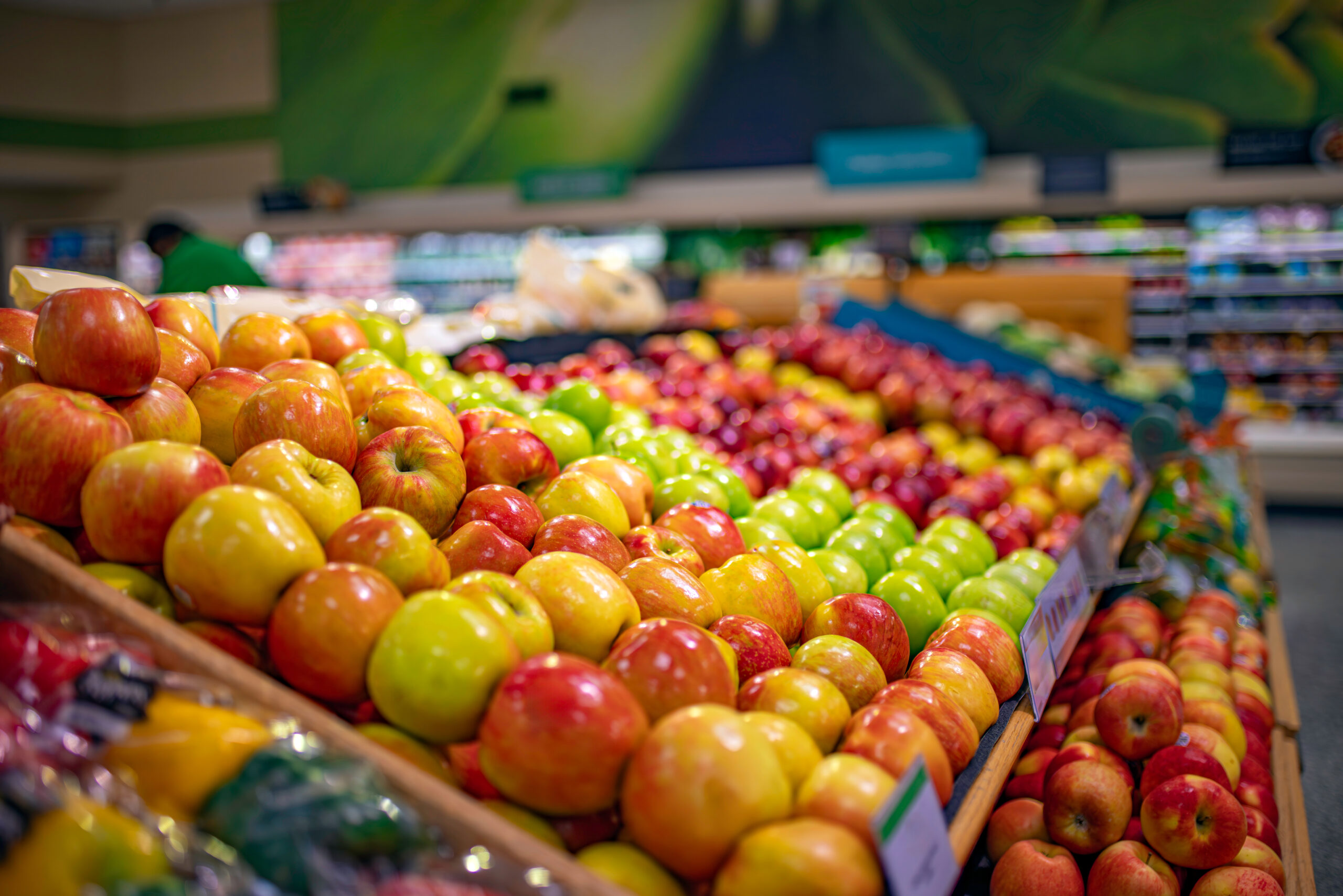
Bruni takes issue with the amount of space apples occupy in grocery stores, suggesting their prominence reflects Americans’ unwillingness to embrace other fruits, an argument that overlooks how dramatically the modern produce department has evolved. Today’s shoppers have access to an extraordinary range of fresh fruits and vegetables throughout the year, thanks to advances in growing practices, storage technology and global supply chains. Products that were once seasonal or difficult to find are now commonplace. The produce aisle is more diverse, dynamic and competitive than ever before.
And yet, apples remain a staple.
That’s not because consumers lack alternatives. It’s because apples continue to deliver what shoppers want: flavor, convenience, affordability, versatility and a consistently enjoyable eating experience.
Innovation Beyond Red, Green and Yellow
Even within the apple category, the choices have expanded tremendously. Decades of investment in research, breeding and innovation have brought consumers an increasingly diverse selection of varieties, each with its own distinctive combination of sweetness, tartness, crispness and juiciness.
Meanwhile innovation isn’t just about consumer preferences. Breeding programs are also focused on developing varieties with greater disease resistance, improved growing characteristics and other traits that help growers produce high-quality apples more efficiently and sustainably.
A Nutritional Powerhouse, Too
Bruni suggests apples should envy the nutritional offerings of some other fruits, which completely overlooks their own impressive credentials. Apples deliver a powerful combination of soluble fiber, vitamin C, potassium and beneficial antioxidants and polyphenols, including quercetin.
And their nutritional value extends well beyond a simple vitamin comparison. Research has linked apple consumption to a range of potential health benefits, including improved heart, digestive and metabolic health.
For more on the science behind apples’ nutritional benefits, explore USApple’s Key Nutrients in Apples and Health Benefits of Apple Consumption.
A Sample Size of One
Interestingly, Bruni’s column follows recent stories from both the New York Times and the Wall Street Journal exploring the remarkable diversity of apples, stories he himself references. Those pieces examine everything from heirloom varieties to the science of crispness, drawing on growers, researchers, industry associations and others who have spent years advancing the fruit.
Bruni’s column is rooted in personal preference. And while there’s certainly room for differing opinions about which fruit or desserts deserve the spotlight, there’s a difference between sharing a personal penchant and drawing broader conclusions about apples’ merits and cultural prominence without considering the industry, innovation and consumer demand behind them.
Bruni is entitled to his opinions. But his personal preference is hardly a measure of a fruit’s greater value, popularity or place in American agriculture.
There’s a Reason Apples Have Staying Power
Perhaps the greatest irony is that Bruni himself highlights many of the qualities that have made apples so enduring: They’re convenient, affordable, portable and versatile. They can be enjoyed fresh, baked, sauced, pressed or incorporated into countless recipes.
In other words, he makes a pretty compelling case for why Americans keep coming back to them.
There’s plenty of room in the produce aisle for other fruit. Celebrating apples doesn’t diminish any of them.
But after centuries of earning their place in our orchards, grocery stores, kitchens and collective vocabulary, perhaps apples aren’t receiving undue attention.
Perhaps they’ve simply earned it.